
A customer used to type “plumber near me” into Google and scroll through ten blue links.
Now, many of them ask ChatGPT, read a summary at the top of Google, or ask their phone for a recommendation. Instead of a list, they get an answer, and that answer usually names only a few businesses.
If yours isn’t one of them, you’re invisible to that customer. The good news is that getting mentioned isn’t random. AI search optimization comes down to a handful of basics most small businesses can control, and many of them build on work you may already be doing.
This guide explains how AI search tools decide which businesses to mention, what you can do about it, and how AI search optimization fits with the SEO and paid search you already rely on.
What Is AI Search Optimization?
AI search optimization is the practice of making your business easy for AI tools to find, understand, and recommend. You’ll also hear it called generative engine optimization (GEO) or answer engine optimization (AEO).
The labels differ, but the goal is the same: when someone asks an AI tool a question your business can answer, you want to be part of the response.
That includes tools like:
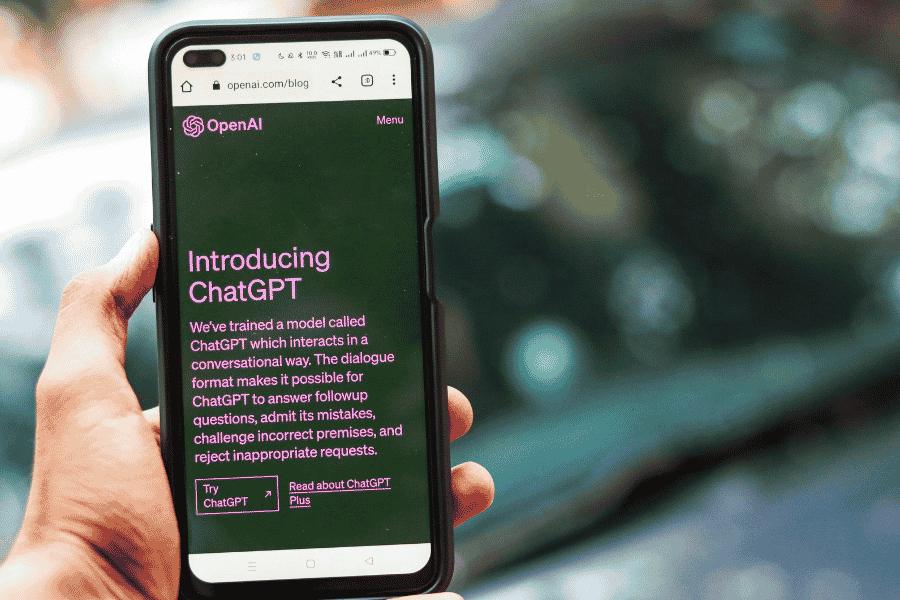
- ChatGPT, which can search the web and recommend businesses in its answers
- Google AI Overviews, the AI-written summaries that appear above regular search results
- Google’s AI Mode, Perplexity, Microsoft Copilot, and voice assistants
Traditional SEO is about ranking a page. AI search optimization is about being the business an AI tool trusts enough to name.
How AI Search Tools Decide Which Businesses to Mention
No AI company publishes an exact formula for AI search optimization, but the patterns are fairly consistent. These tools pull from what’s already on the web and look for businesses that are easy to verify. In plain terms, they tend to favor businesses that:
- Clearly state what they do, where they do it, and who they serve
- Show the same details across their website, Google Business Profile, and directories
- Have a steady stream of recent, specific reviews
- Get mentioned by other sources, like local news, industry sites, and community pages
- Publish content that directly answers the questions customers actually ask
Notice what’s missing from that list: tricks. Generative engine optimization rewards clarity and consistency, not clever hacks. If an AI tool can’t confidently confirm what you offer, it will usually recommend someone it can.
This is also why AI search is changing how people find local and niche providers. A specialized business with clear information can be named right alongside much bigger competitors, because the AI is matching a specific question to a specific answer, not just picking the biggest brand.
What Small Businesses Can Actually Control
You can’t control how an AI model works. You can control the information it finds about you. These four areas make up the core of AI SEO for small business.
Clear Service Pages
Give every core service its own page. A single “Services” page with a bulleted list doesn’t tell an AI tool much. A dedicated page for “Emergency Water Heater Repair in Pasadena” does.
Each page should spell out what the service is, who it’s for, the areas you serve, and what a customer can expect. Write it the way a customer would describe their problem, not in internal jargon. Clear pages help both human visitors and AI search optimization at the same time.
Consistent Listings Everywhere
Your business name, address, phone number, hours, and services should match everywhere they appear. That includes your website, Google Business Profile, Bing Places, Yelp, Apple Business Connect, and industry directories.
Small mismatches, like an old suite number or a previous phone number, make it harder for AI tools to confirm you’re one business, which undercuts your AI search optimization. Some AI assistants pull partly from Bing’s index, so if you’ve never claimed your Bing Places listing, it’s worth doing now.
Reviews That Say Something
AI tools read reviews, not just star ratings. A review that says “They fixed our tankless water heater the same day in Glendora” gives far more useful detail than “Great service!”
Ask happy customers for reviews regularly, and make it easy with a direct link. Respond to reviews, including the critical ones. Steady, specific, recent reviews are one of the strongest signals in AI search optimization for local businesses.
Content That Answers Real Customer Questions
Think about the questions customers ask on the phone or in your inbox. How much does it cost? How long does it take? Do I need a permit? Is this worth fixing or should I replace it?
Answer those questions on your website in plain language, with the direct answer near the top of the page. This is the heart of answer engine optimization. When your page gives a clear, specific answer, AI tools have something they can confidently summarize and cite.
How to Rank in ChatGPT and Google AI Overviews
Business owners often ask how to rank in ChatGPT as if it works like a search results page. It doesn’t, exactly. There’s no position one. There’s either a mention or there isn’t.
The same four basics above apply across tools, with a few platform notes:
- Google AI Overviews draw from Google’s own index, so pages that already rank well in organic search have a head start. Strong traditional SEO is still the foundation here.
- ChatGPT often searches the web when a question needs current or local information, then summarizes what it finds. Being mentioned on trusted third-party sites and having consistent listings matters a lot.
- Voice assistants and map-based answers lean heavily on business profiles and reviews.
Whatever the platform, AI search optimization works best when your information is accurate, consistent, and easy to quote.
AI Search Works with SEO & Paid Search, Not Instead of Them
It’s tempting to treat AI search as a whole new channel that replaces everything else. It isn’t.
Much of what helps you show up in Google AI Overviews and ChatGPT is the same work that drives traditional SEO: helpful pages, a fast and mobile-friendly site, local listings, and earned mentions from other websites. AI search optimization builds on that foundation rather than starting over.
Paid search still has its place too. Ads put you in front of people who are ready to buy right now, while AI search optimization helps you earn trust earlier in the decision. Each channel covers a gap the others leave.
The smartest approach for most small businesses is to treat AI search optimization as one part of a single strategy that includes SEO, paid search, and your Google Business Profile, all sharing the same clear, consistent information.
A Simple Way to Get Started
If this feels like a lot, start small. Here’s a practical first month of AI SEO for small business:
- Search for your business and your main service in ChatGPT, Google, and Perplexity. Note who gets mentioned.
- Audit your Google Business Profile, Bing Places, and top directories so every detail matches.
- Pick your most profitable service and give it a dedicated, detailed page.
- Write down the five questions customers ask most, and answer each one on your site.
- Set up a simple process to request reviews after every completed job.
Then check those AI tools again in a couple of months. Generative engine optimization is gradual, but progress shows up as your information gets clearer and more consistent across the web.
Get Your Business Found in AI Search
AI search is changing how customers choose who to call, and the businesses that adapt early have a real advantage. The basics aren’t complicated, but they take steady attention, and they work best when they’re connected to your SEO and paid search strategy.
That’s where Mandzok Marketing can help. Our team builds AI search optimization into a complete digital marketing plan, so your business shows up wherever your customers are looking, from Google’s top results to the answers inside ChatGPT.
Ready to find out where your business stands in AI search? Contact Mandzok Marketing today to talk through your visibility and the first steps worth taking.
